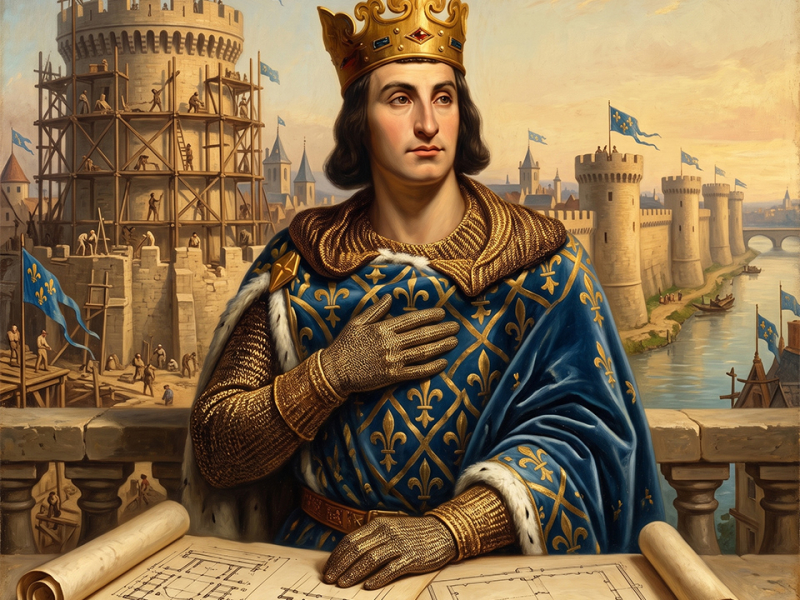
Charles X and the Fall of the Bourbons: The End of a Historic Dynastie in France
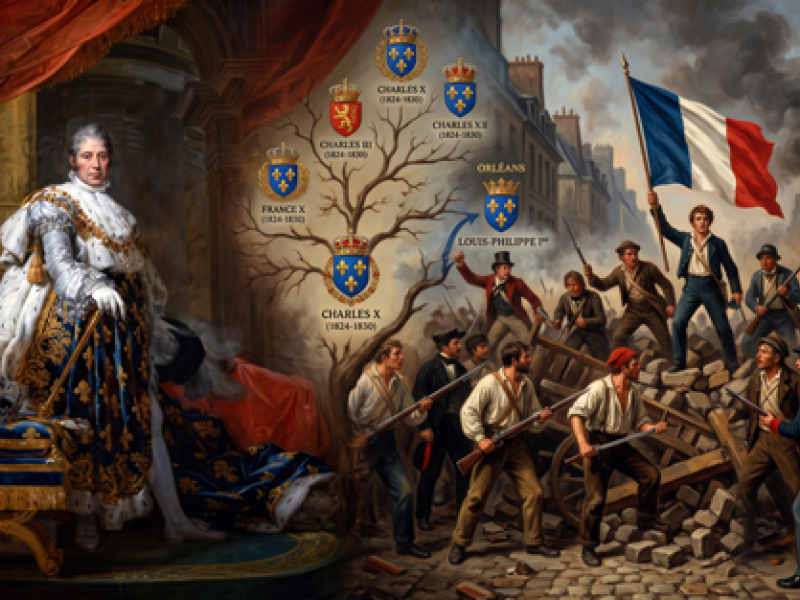
The history of France is punctuated by majestic reigns and resounding revolutions. Among the most fascinating and controversial figures of our heritage is Charles X, one of the very last kings of the famous Bourbon dynasty. Born on October 9, 1757, the man who was first known as the Count of Artois saw his fate sealed by the Revolution of 1830, marking the definitive end of the eldest branch of the Bourbons on the throne. But how did this king, heir to a centuries-old lineage, precipitate the fall of his own house? In this complete article, let's decipher this pivotal period and find out how to read this dynastic break in the family tree of the Kings of France.
[Prompt d'image 1 à générer : Un portrait majestueux mais crépusculaire du roi Charles X en tenue de sacre, avec une lumière dramatique et sombre venant de la gauche, soulignant la fin imminente de son règne. Style peinture historique réaliste du 19ème siècle, haute résolution.]
1. The Early Life of the Comte d'Artois: In the Shadow of Louis XVI
Before becoming Charles X, the young prince was a frivolous man of the court, a great lover of parties and hunts at Versailles. Unlike his elder brother Louis XVI, he embodied monarchical intransigence in the face of the ideas of the Enlightenment. At the outbreak of the French Revolution in 1789, he was one of the first to flee France, becoming the figurehead of the émigrés and the counter-revolution. This absolute distrust of any form of political modernity would be the common thread (and fatal flaw) of his entire life.
2. 1824: An Anachronistic Coronation
On the death of Louis XVIII, Charles X ascended the throne. It was 1824. The new king decided to revive the splendour of the Ancien Régime. He was crowned in Reims in 1825, a spectacular ceremony but perceived by the people as a worrying step backwards. In the midst of the post-Napoleonic era, French society had changed profoundly. By wanting to impose a conservative monarchy and by surrounding himself with ultra-royalists, Charles X quickly dug an insurmountable gap with the bourgeoisie and the people of Paris.
[Prompt d'image 2 à générer : Une scène grandiose et surchargée représentant le sacre de Charles X dans la cathédrale de Reims en 1825. Les dorures brillent, mais la foule autour est plongée dans l'ombre, symbolisant le décalage entre le roi et son peuple. Style académique, clair-obscur.]
3. The Three Glorious Days of 1830: The Collapse of a Lineage
The king's political blindness reached its peak at the end of July 1830. Faced with growing opposition, Charles X signed the famous "Ordinances of Saint-Cloud": suspension of the freedom of the press, dissolution of the Chamber of Deputies and modification of the electoral law. This was the spark that set off the powder keg. In three days, on 27, 28 and 29 July 1830 (the Three Glorious Years), Paris was covered with barricades. The king was forced to abdicate and flee to England. The crown passed to his distant cousin from the Orléans branch, Louis-Philippe I. The elder branch of the Bourbons was definitively removed from power in France.
[Prompt d'image 3 à générer : Une rue de Paris en juillet 1830, couverte de barricades en bois et en pavés. Des insurgés parisiens de toutes les classes sociales brandissent le drapeau tricolore sous un ciel enfumé. Atmosphère épique à la Eugène Delacroix, style romantique.]
4. Visualize the fall of the Bourbons on the genealogy of the Kings of France
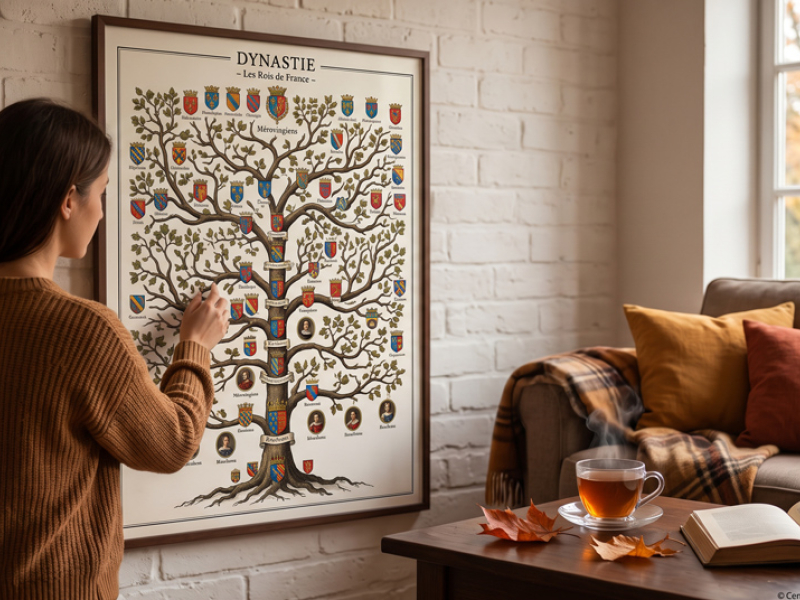
Understanding the end of an era is much easier when you can visualize it. From the Merovingians to the Bourbons, more than 1400 years of reigns have succeeded each other to forge our country. How do you find your way through the ramifications of these complex branches? It is precisely to meet this challenge that DYNASTIE has designed the complete poster of the genealogy of the Kings of France. By following the line of descent of Charles X on our poster, you will be able to visually observe the abrupt end of the elder branch in favor of the Orléans. More than an educational tool certified by historians, it is a true timeless work of art 100% Made in France that sublimates your interior while telling the story of our heritage.
Discover the complete family tree and bring the history of France into your living room on
Share this content