The mystery of the Marble King: Philip the Fair and the end of the direct Capetians
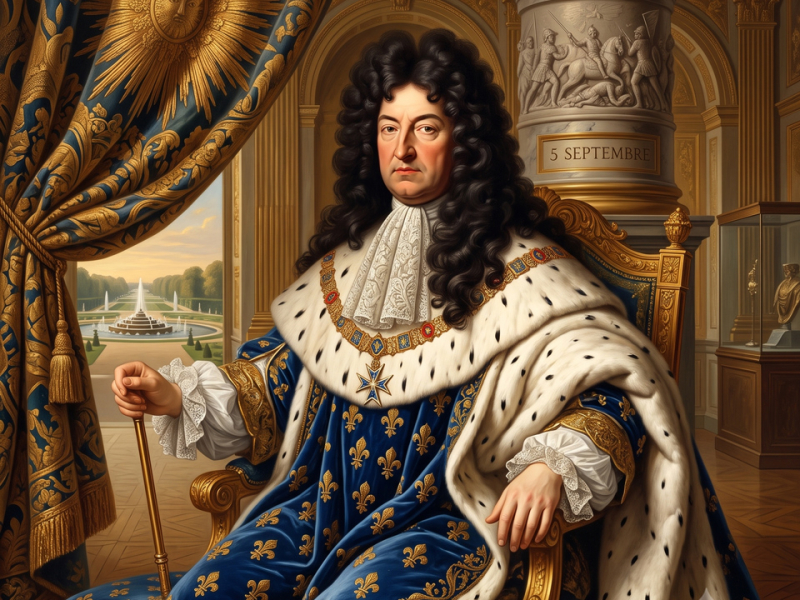
The history of France is rich in glorious reigns, but few eras are as fascinating and dramatic as the end of the direct Capetian dynasty. At the center of this major historical turning point is an enigmatic and implacable ruler: Philip IV, nicknamed Philip the Fair or the "Marble King". In the space of a few decades, the Capetian miracle that ensured an uninterrupted succession from father to son since Hugh Capet collapsed. Immerse yourself in the intrigues of a cursed succession that paved the way for the Valois dynasty and shaped the destiny of the kingdom.
The Iron Reign of Philip the Fair
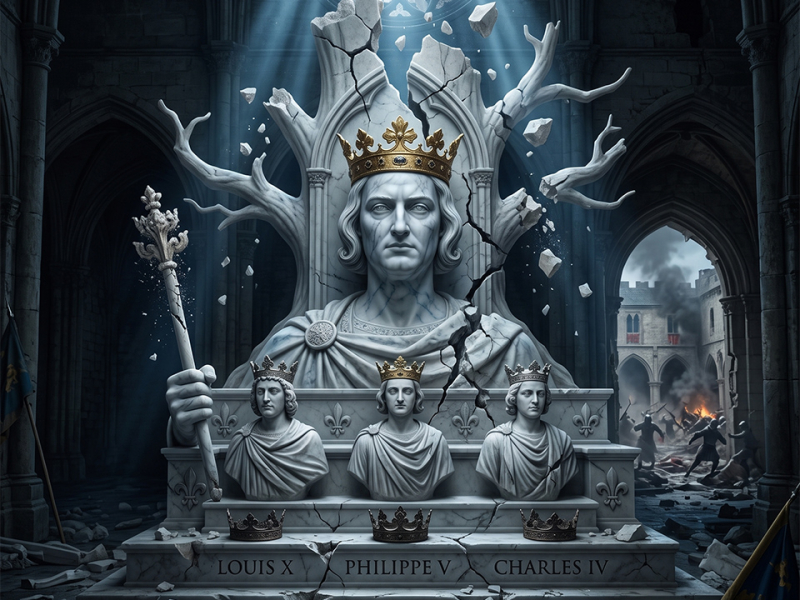
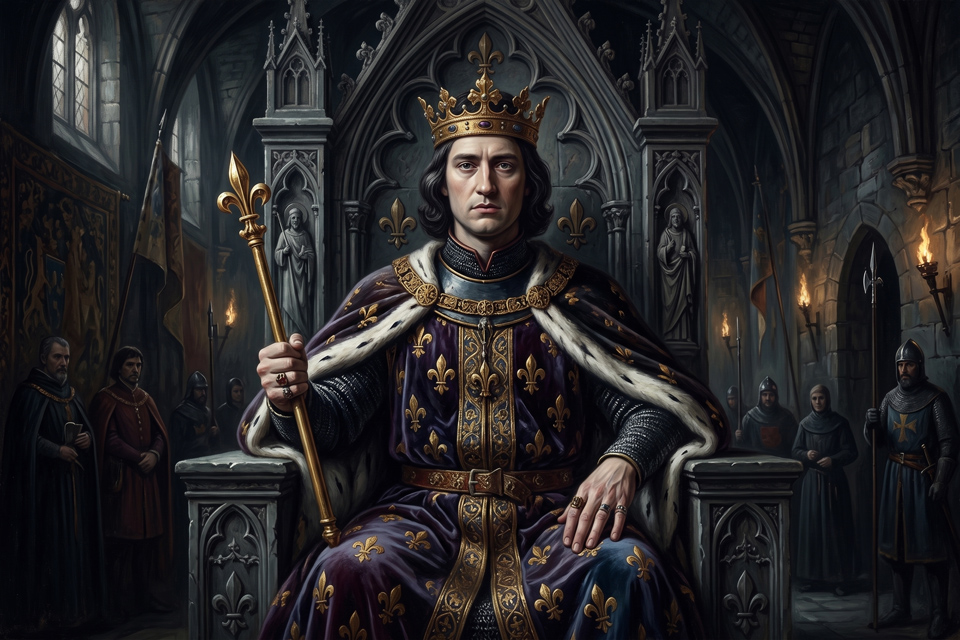
Philip the Fair profoundly marked the history of France. Absolute sovereign, he centralized power, defied the papacy and annihilated the powerful Templar order. This builder and jurist king seemed to have consolidated his kingdom for the centuries to come. With three robust sons (Louis X, Philip V, and Charles IV), the future of the Capetian dynasty seemed totally assured. However, the apparent solidity of his descendants hid a fragility that would plunge France into chaos.
The drama of the succession: Three sons, no male heirs
Legend has it that at the stake, the Grand Master of the Knights Templar, Jacques de Molay, cursed Philip the Fair and his descendants until the thirteenth generation. Myth or reality, the story that follows gives chills. When the "Marble King" died, his sons acceded in turn to the throne of France.
However, fate was relentless: Louis X the Hutin, Philip V the Long and Charles IV the Fair died one after the other prematurely, and above all, without leaving a surviving male heir. It was an unprecedented event. By applying the Salic law, which excluded women from the succession to the throne, the crown suddenly found itself without a direct heir.
The shift towards the Valois dynasty
Faced with this major dynastic crisis, the nobles of the kingdom had to find a legitimate successor. The crown was finally passed on to the first cousin of the last Capetian kings: Philip VI of Valois. This transfer of power put a definitive end to the line of direct Capetians and inaugurated the Valois dynasty. This transition did not go smoothly, since it served as a pretext for the King of England, Edward III (nephew of the last kings), to claim the throne, thus triggering the disastrous Hundred Years' War.
How to read this event on your DYNASTY poster?
Understanding these shifts and visualizing the complex links between these great historical figures can be a real challenge. This is precisely the mission of the complete family tree of the Kings of France published by DYNASTIE.
To observe the fall of the Capetians on your poster:
-
Locate Philip IV the Fair in the central branch of the Capetian dynasty (color dedicated to the Capetians).
-
Look at the branching of her three sons just below: you will notice that their lines of succession stop sharply, without masculine continuity.
-
Follow the dotted line or visual shift that goes back up to Charles of Valois (the brother of Philip the Fair) to go back down to Philip VI, the first king of the collateral branch of the Valois.
This poster, much more than a simple decoration, is a real educational tool certified by historians to bring the History of France to life in your living room!
Share this content